

⚡ TL;DR: Learn seven costly mistakes in Orlando roof replacement, like ignoring hurricane winds and skipping inspections, to ensure a reliable installation and avoid expensive fixes.
📋 What You’ll Learn
Discover 7 costly mistakes in Orlando roof replacements that expose homes to leaks, wind damage, and code violations, and learn proven strategies to ensure a resilient, long-lasting roof in Florida's harsh climate.
- Avoid hurricane wind disasters by selecting wind-rated materials and proper installation techniques tailored to Orlando's fierce storms, saving thousands in future repairs.
- Spot unlicensed contractor traps to comply with strict Florida building codes, preventing failed inspections, fines, and roofs that fail under real-world conditions.
- Master pre-replacement inspections for hidden issues like rot or poor decking, ensuring a solid foundation that avoids callbacks and structural failures post-install.
- Ensure flawless underlayment and flashing to block water intrusion during heavy rains, a common oversight leading to mold, leaks, and expensive fixes.
- Optimize ventilation against heat to prevent attic overheating, shingle degradation, and energy spikes in Florida's scorching summers for better roof longevity.
📖 Reading time: 8 min
✍️ Author expertise: Orlando roofing pro with 18 years of hands-on experience replacing storm-damaged roofs.
Imagine pouring thousands into a new Orlando roof, only to watch it leak like a sieve after the next thunderstorm rips through town.
That nightmare hits homeowners hard every hurricane season here in Central Florida, turning a smart upgrade into a money pit.
Your roof's gotta stand up to brutal sun, pounding rain, and those wild winds, but skip the right steps and you're doomed to repeat the same disasters.
Discover the seven deadly mistakes that torch your budget and your peace of mind, so you can dodge them and get a roof built to last.
Mistake #1: Ignoring Orlando's Hurricane-Force Winds and Material Choices
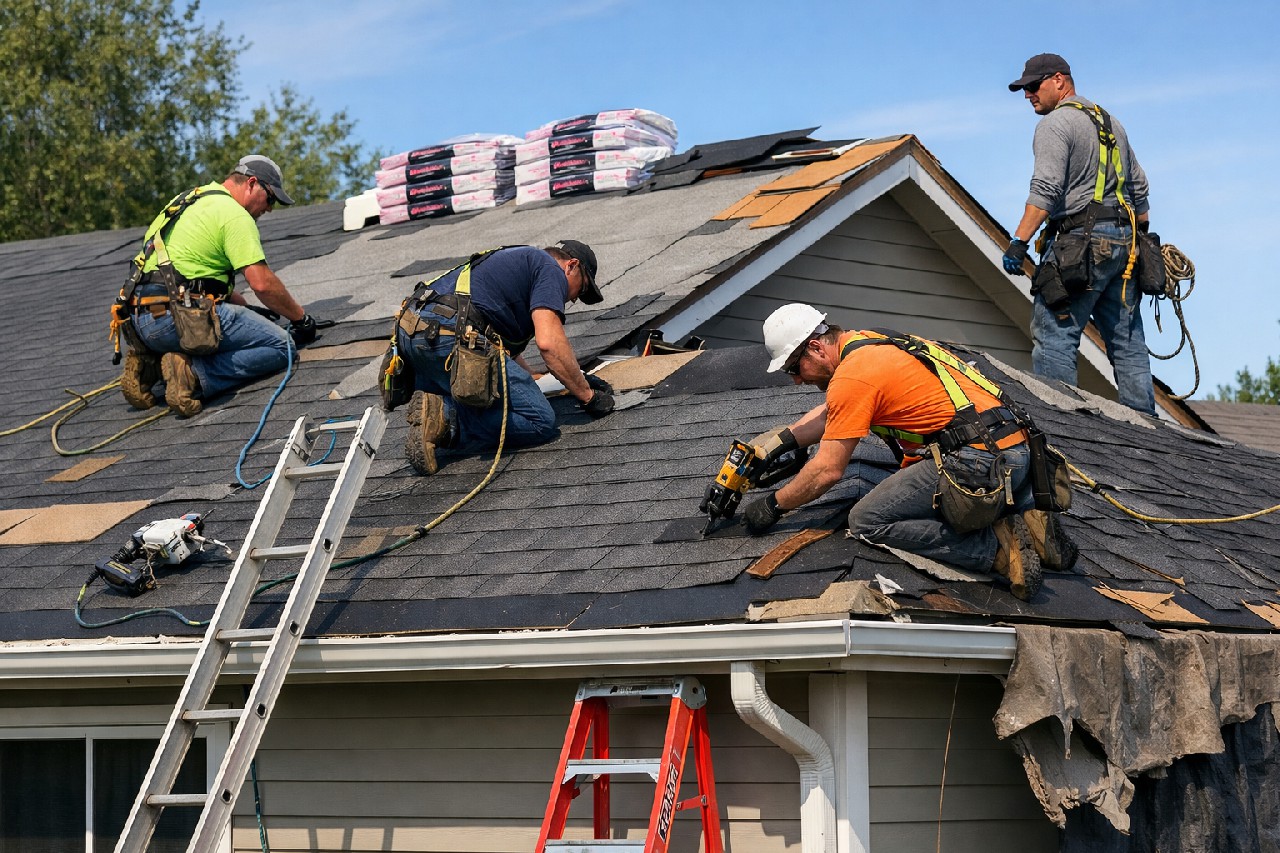
Orlando's storms pack winds over 100 mph during hurricane season. Pick the wrong roofing materials, and your new roof flies off like paper in a gale. Homeowners lose thousands replacing shingles that weren't rated for this punishment.
Standard three-tab shingles crumble first. They lack the heft and grip for Central Florida's fury. You end up with leaks, structural damage, and skyrocketing insurance claims.
Shun These Wind-Weak Materials:
- Basic asphalt shingles (Class G or H only)
- Thin metal panels without proper anchoring
- Outdated clay tiles prone to cracking
Go for impact-resistant architectural shingles or heavy-duty metal roofing instead. These beasts meet Florida's strict wind codes and shrug off debris like pros. Insist on Miami-Dade NOA approval to prove it.
Mistake #2: Hiring Unlicensed Contractors Unfamiliar with Florida Codes
Picture this: you grab the cheapest bid from a guy with a truck and a ladder. He slaps on shingles fast, pockets your cash, and vanishes. Then the next storm hits, and your roof fails because he ignored Florida's strict wind-load codes.
Unlicensed crews skip permits and inspections. They botch installations that must meet Miami-Dade standards for hurricane resistance. Result? Your new roof peels off like wet paper, costing you double to fix.
Spot the Red Flags Before It's Too Late
- No proof of a current Florida Roofing Contractor license (check via DBPR website).
- Vague answers on local code compliance or past Orlando projects.
- Pressure to pay cash upfront, no written contract.
Stick to licensed pros who know Orlando's rules inside out. They pull permits, pass inspections, and back their work with warranties that actually hold up.
Mistake #3: Skipping Thorough Pre-Replacement Roof Inspections
You think your roof looks fine from the ground. Wrong. Rushing into replacement without a deep dive inspection hides damage that turns your new roof into a short-lived joke.
One overlooked rot spot or weak truss in Orlando's humid climate? It spreads fast, cracking shingles and inviting leaks during the first big storm.
What a Pro Inspection Uncovers
- Structural weak points from years of sun and rain battering.
- Hidden moisture trapped under old layers, breeding mold and rot.
- Attic issues like poor insulation or ventilation gaps that doom new installs.
Skip this, and you're slapping a Band-Aid on a broken leg. We've seen roofs fail in under two years because contractors glossed over these red flags.
Get eyes on every inch - drone scans, thermal imaging, full attic crawl. It costs pennies compared to ripping off a failed roof twice.
Mistake #4: Neglecting Proper Underlayment and Flashing Installation
Underlayment acts as your roof's first line of defense, a waterproof barrier that sits under the shingles. Skip it or cheap out, and every heavy rain in Orlando turns into a potential disaster.
Flashing seals those tricky spots around chimneys, vents, and valleys where water loves to sneak in. Botch this, and leaks start small but spread fast during our afternoon downpours.
Why Orlando Roofs Demand the Best
- Our humidity soaks materials, making subpar underlayment fail quick.
- Hurricane winds lift shingles, exposing weak flashing to brutal water blasts.
- Cheap synthetics tear easy; go for high-quality, code-approved stuff that lasts 20+ years.
Get this right from day one. Inspect every seam during install, or call pros who treat it like their own home's lifeline.
Mistake #5: Overlooking Ventilation for Florida's Scorching Heat
Florida's sun doesn't mess around. It turns your attic into a blazing furnace, baking shingles from the inside out if ventilation sucks.
Skip proper airflow, and trapped heat warps materials, spikes your energy bills, and invites rot. Homeowners wake up to warped roofs and skyrocketing AC costs they never saw coming.
Why Ventilation Saves Your Roof (and Wallet)
- Ridge and soffit vents create a steady breeze, dumping hot air before it damages anything.
- Expect 20-30% lower cooling bills with balanced intake and exhaust.
- Shingles last years longer without that brutal heat stress.
Cheap contractors slap on roofs without checking vent coverage. Demand at least one square foot of net free ventilation per 150 square feet of attic space. Get it wrong, and you're funding early replacement.
Case Study: How We Fixed a $50K Orlando Roof Replacement Nightmare
Meet Sarah, a Lake Nona homeowner who dropped $50,000 on a "bargain" roof replacement last summer. Three months later, after a pop-up storm, her ceiling dripped like a faucet. The cheap crew had botched everything from shingles to seals.
The Mess We Walked Into
- Shingles curling up from poor adhesive in Florida heat.
- Zero flashing around chimneys, letting water invade.
- Ventilation blocked, trapping hot air and causing bubbles.
Her insurance balked at covering the redo. Leaks spread mold fast. She called us in panic.
We tore it all off in one day. Inspected the deck for rot. Installed impact-resistant asphalt shingles rated for 140-mph winds, top-grade underlayment, and custom flashing.
Added ridge vents for killer airflow. Finished with a 10-year workmanship warranty. Now? Sarah sleeps through storms. Her roof's hurricane-proof, and insurance loves the upgrades.
Final Thoughts
Orlando roofs fail fast when you cut corners. But arm yourself with these truths, and you'll land a setup that laughs at storms.
Skip the rookie traps. Demand pros who know Florida's chaos inside out. Your wallet – and sanity – will thank you.
Quick Action Steps
- Grab a free inspection today. Spot issues before they explode.
- Check licenses and reviews. No shortcuts.
- Explore roof replacement options tailored for Central Florida beats.
One smart call now beats thousands in fixes later. Make it count.
People Also Ask
How much does a roof replacement cost in Orlando, FL?
Roof replacement costs in Orlando typically range from $8,000 to $25,000, depending on roof size, materials, and complexity, with asphalt shingles being the most affordable and metal roofs costing more for hurricane resistance. Factors like Orlando's strict building codes and storm damage assessments can increase prices. Consult local experts for a precise quote tailored to your home's needs.
What are the most common mistakes during Orlando roof replacements?
Common pitfalls include ignoring hurricane-force winds when selecting materials, hiring unlicensed contractors unfamiliar with Florida codes, and skipping thorough inspections. Neglecting proper underlayment, flashing, and ventilation also leads to premature failures in Florida's heat and storms. Avoid these by choosing experienced local roofers who prioritize code compliance and quality installation.
What is the best roofing material for Orlando's hurricanes?
Impact-resistant asphalt shingles or metal roofing certified to Florida's high-velocity hurricane zone standards perform best against Orlando's fierce winds and debris. These materials meet strict Miami-Dade NOA requirements for wind uplift resistance up to 150+ mph. Steer clear of standard shingles, as they fail quickly in storms, leading to costly repairs.
How do I choose a licensed roofing contractor in Orlando?
Verify licensing through Florida's DBPR site, check for liability insurance, and review references from recent Orlando projects. Look for contractors experienced with local codes and hurricane-rated installations to avoid shoddy work. Reputable firms provide detailed contracts and warranties, ensuring long-term protection for your investment.
Why is roof ventilation crucial for Orlando homes?
Proper ventilation combats Florida's scorching heat and humidity, preventing attic heat buildup that shortens shingle life and causes mold. Inadequate airflow leads to energy bills spiking 20-30% higher due to poor insulation efficiency. Installing ridge vents and soffit vents during replacement ensures optimal performance and longevity in Orlando's climate.

Orlando Roofing delivers roofing services with decades of experience serving the Orlando area. Their team specializes in installations, repairs, and maintenance designed for Central Florida's climate challenges. Rooted in the local community, they focus on quality work for Orlando homeowners and businesses.
Need Roofing?
Rapid roofing repairs and installations in Orlando, FL and nearby areas (32801, 32803, 32805, 32807, 32809), delivering weather-resistant protection fast.
Get Roofing Quote